

A notice can contain several dates, but only one may be the date you need to act. Start by asking who wrote it, who it addresses and what it asks the reader to do. Then locate the date attached to that action.
Separate the dates from the jobs
Think of a notice as a small set of instructions with conditions attached. A date by itself does not tell you what to do. November 18 might be a closure, a reopening, a meeting, the date the notice was written or a deadline. Copying all the numbers into a calendar without their labels can make a careful reader less certain than before.
A useful first note has three parts: action, person and time. For the hall notice below, write “collect our stored materials by November 15.” That keeps the verb with its deadline. A second note can record that the hall closes on November 18, but the closure is background for the collection task. The office contact deadline is a separate opportunity to resolve questions.
Read the small print after the date as well as the large heading. “By Friday” differs from “from Friday.” “Applications received by Friday” differs from “applications posted by Friday.” A practice reader can explain those differences without deciding what a real organization will accept. When the consequences matter, confirm the exact instruction with the sender.
A notice with three audiences
Here is another invented example for a learning session:
The community room will be painted next month. Regular group organizers should remove items from the cupboard by Tuesday, May 12. Visitors attending Thursday activities should use the side entrance. Painting staff will have access from Wednesday morning. For questions about stored items, contact the room coordinator.
This notice contains at least three audiences. Group organizers have a removal task. Thursday visitors have an entrance instruction. Painting staff have an access arrangement. A visitor who has nothing in the cupboard does not automatically acquire the organizer's task merely because all three instructions appear together.
On paper, make a row for each audience. Beside it, write the action that belongs to that audience. Leave an empty space for any time that the notice does not supply. For example, it gives a day for cupboard removal but no precise hour. Label that space “ask” rather than filling it with the closing time you remember from a different visit.
Now change your role in the example. Suppose you both organize a group and attend a Thursday activity. You have two relevant instructions. This is a reason to read the full notice before deciding that one heading or sentence is all you need. Several roles can apply to the same reader.
Learning supply note
As an Amazon Associate I earn from qualifying purchases. A purchase through these links can support Read Iowa.
The House on Mango Street, paperback

Sandra Cisneros tells this story through short, linked pieces. Try a library copy or sample first to judge the language and print size. The book includes mature themes; it is a literary choice, not a graded reading course.
View this choice on Amazon USFive Star blue college-ruled notebook
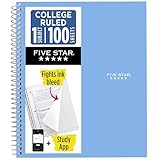
Keep words and worked examples together in this single-subject spiral notebook. Its college-ruled lines suit compact handwriting; choose wider spacing if you need more room.
View this choice on Amazon USNotice the words that change an instruction
Small words often carry large differences. “Only” restricts who or what is included. “Except” introduces something left out. “Unless” states a condition. “Optional” leaves a choice. “Required” signals that the sender expects an action, although the precise requirement still depends on the surrounding text.
Compare “All groups should collect their boxes” with “All groups except Tuesday's class should collect their boxes.” The second sentence does not tell Tuesday's class what happens to its boxes. It only removes that class from this particular instruction. A reader should not supply an explanation such as “the boxes have already been moved” without evidence.
Try writing a pair of sentences that differ by one of these words. Ask a partner to describe what changed. Keep the vocabulary ordinary so the exercise concerns the condition rather than an unfamiliar topic. You could use chairs, borrowed books or meeting rooms. The useful result is an explanation of the difference, not a speed score.
Turn the notice into a usable reminder
A reminder should preserve enough context to make sense later. “Tuesday, boxes” may feel clear while the notice is in front of you. A week later, it may not reveal which boxes, which room or whether Tuesday is a collection day or a deadline. Write a short complete instruction instead: “Collect the reading group's cupboard box before Tuesday's removal deadline; confirm the collection hour.”
Keep the original notice or a link to its current location where you can find it. A photograph can help with a public notice when photography is permitted, but avoid including private information about other people. A handwritten reference to the sender and location may be enough. The purpose is to preserve the source of the instruction, not to build a large archive.
Put a fixed appointment in the calendar only after its time is clear. An unanswered question belongs in a task list, with the question attached. This distinction prevents a tentative guess from looking like a confirmed booking. If you receive a correction, update the reminder and remove the older version that could still mislead you.
When the wording and layout disagree
Large print attracts attention, but it does not necessarily contain the whole instruction. Imagine a bold heading that says “Room closes Friday” and a paragraph explaining that collections end Thursday afternoon. The heading tells you about the room; the paragraph tells you about your collection. Both can be true.
A table can also split related information across columns. Follow the row from the name of the activity to its action and date. Use a piece of blank paper as a line guide if that makes the row easier to track. Before copying, read the row aloud as one sentence. This can expose a mistaken jump into the next row.
If two parts of a real notice truly conflict, retain both and ask the sender which applies. Do not silently choose the larger type, the later date or the version that is most convenient. In a learning session, the correct response can be a well-formed question rather than a completed task.
Check your understanding with a different reader
Ask someone to use your reminder without seeing the original notice. Can they tell what needs to happen and what remains uncertain? Then show the original and compare. This is a check of the note, not a test of the other person's memory.
For a tutor, pause before correcting. Ask which sentence led to the answer. A mistaken date may come from following the wrong audience, missing a condition or confusing a closure with a collection. Each needs a different explanation. The adult-reading resource and session guidelines offer ways to keep this work focused on the learner's chosen task.
Keep the exercise short enough that you can finish by describing one useful change. Perhaps you now write the verb beside the date, or notice “received by” before making a reminder. A concrete change like that gives the next notice a clear starting point.
A short practice task
Use this invented notice: The hall will close for repairs on 18 November. Groups should collect stored materials by 15 November. The office will answer questions until 16 November. The collection deadline is the fifteenth, even though the closure date is printed first. Write the action and date together so they cannot become separated in your notes.
Copy the notice with the three dates removed. Put them back by explaining what happens on each date. Then change the notice so that collection requires an appointment. Which extra question must the reader ask? The exercise is about reading a relationship, not merely finding a number.
When a real notice is unclear, contact its sender. Do not guess about a deadline from a practice example. Ask whether an item must be received, sent or collected by the stated time, and whether a particular time zone or office hour applies.
For a second pass, underline the sender, circle the required action and put a box around the deadline. If the action is only implied, write the question you would ask rather than inventing an obligation. A learning partner can compare markings and explain why each part matters.
For a final check, write a new notice with one meeting date and an earlier reply deadline. Give it to a partner without your notes. Ask them to name the action they would take first and point to the wording that supports it. Compare the answer with your intended meaning, then revise the notice if the two differ. Keep both versions so you can explain which word or missing detail caused the misunderstanding. A clear instruction should survive a careful reading by someone who does not already know what you meant.
Before you choose
As an Amazon Associate I earn from qualifying purchases. A purchase through these links can support Read Iowa.
The House on Mango Street, paperback
Sandra Cisneros tells this story through short, linked pieces. Try a library copy or sample first to judge the language and print size. The book includes mature themes; it is a literary choice, not a graded reading course.
View this choice on Amazon USPut the idea to work in the practice tools, or browse the book basket checklist.