

A library visit is easier when you bring a question you can describe. You might want an adult-interest book with shorter chapters, help finding a listening format, or information about a local learning program. A specific request gives the staff something to work with and helps you recognize a useful answer.
You do not need to arrive knowing the catalogue or the name of every service. At the same time, it is worth checking the library's current hours and access rules before traveling. Services differ between branches, and a general guide cannot promise that a particular resource is available everywhere.
Check the practical details first
Use the library's own current website or contact its desk to confirm the branch, opening hours and any appointment requirement. Check whether the service you need is offered at that location. A system may have several branches with different collections, equipment and meeting spaces.
If you want to borrow, ask what is needed to obtain or use a card. Requirements can depend on residence, age or the library's arrangements. Do not assume that an old card or a card from another system provides the same access. Confirm fees or restrictions where they matter to your plan.
Think about the trip itself: travel time, parking or transit, the return journey and the time needed at the desk. If access features matter, ask about them directly rather than relying on a photograph of the building. A little preparation can prevent a useful visit from becoming a rushed one.
Write a one-sentence request
Try: “I want an adult book about local history with clear print and short sections.” Or: “I would like to try an audiobook on the device I already use.” The sentence should describe the purpose and a practical feature, not label your ability.
If you are seeking learning support, ask which organizations or programs the library can point you toward. A library may offer sessions itself, host another provider or simply know the relevant contact. Those are different kinds of help, and the staff should be able to explain which applies.
You can bring the request on paper if saying it at a busy desk feels difficult. There is no need to tell a personal story to justify asking for a book or a service. Share only what helps the staff understand the request.
Learning supply note
As an Amazon Associate I earn from qualifying purchases. A purchase through these links can support Read Iowa.
The House on Mango Street, paperback

Sandra Cisneros tells this story through short, linked pieces. Try a library copy or sample first to judge the language and print size. The book includes mature themes; it is a literary choice, not a graded reading course.
View this choice on Amazon USFive Star blue college-ruled notebook
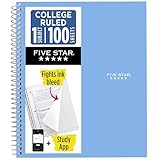
Keep words and worked examples together in this single-subject spiral notebook. Its college-ruled lines suit compact handwriting; choose wider spacing if you need more room.
View this choice on Amazon USChoose a few samples rather than a large pile
Ask for two or three possible books. Look at the subject, page layout and a section beyond the opening. Read a little and explain the main point to yourself. Notice whether the difficulty comes from unfamiliar words, a new topic, dense print or something else.
A book that is not a good match now may be useful later with support. You do not need to reject the subject entirely. Ask whether another format, a shorter introduction or a different author might suit the task better.
Keep adult interests in view. A request for clearer language should not automatically become a request for children's material. If a children's book interests you, it is fine to choose it, but the choice should belong to the reader.
Ask how the borrowing arrangement works
Before leaving with an item, confirm the due date, renewal process and return options. Ask what happens if the item is requested by someone else or if you cannot return it on time. The current library policy is more reliable than a general assumption about how libraries usually work.
For a digital title, ask whether access expires automatically and whether it can be renewed or borrowed again. Check whether a waiting list applies. Downloading a sample at the desk can reveal whether the app, account and device are working together before you leave.
Write the important instruction in your own words. “Return at this branch by…” or “Open this app and select…” is more useful than remembering that someone explained it. Ask the staff to clarify a step rather than pretending it is clear because the desk is busy.
Try the format you will actually use
A digital book displayed on a large library screen may look different on your phone. If you plan to read on your own device, test text size, navigation and any available listening features there. Confirm that the format works with the device and account you have.
For audio, locate play, pause, skip back and bookmarks. Listen to a short sample and check whether the narrator is comfortable to follow. You do not need to commit to a whole book to discover that the controls or edition are inconvenient.
For print, consider the weight and binding as well as the type. A large book can be clear to read but awkward to hold. Ask about another edition or format when that matters. The book-stand guide describes support features, but borrowing another format may be the simpler answer.
Keep personal information out of casual help
Library staff may be able to help with general computer use, but ask what assistance they can provide before opening a private account or document. Do not assume a public desk is an appropriate place to discuss every detail of a medical, financial or identity record.
If you use a shared computer, follow the library's instructions for signing out and removing downloaded personal files. Avoid saving a password in a public browser. Ask for help with the process without handing over credentials unnecessarily.
When the task concerns an official record, use the responsible service's current instructions. The Iowa HSED and GED records guide links to the state information. A library can help someone access a page without becoming the issuer of the document.
A visit can be about people as well as books
Ask about discussion groups, adult-learning contacts, technology sessions or other activities relevant to your goal. Confirm the organizer, registration, location and any cost. An event in an old calendar may no longer be running, so check its current listing.
Choose an activity because the format and subject suit you. A large discussion group, a quiet one-to-one appointment and a self-directed resource offer different experiences. You can ask what a session involves before deciding whether to attend.
If you need a learning program, write down the contact and the question you want to ask. The next step might be a phone call rather than an immediate enrollment. Breaking the process into steps can make the information easier to use.
Make a small visit plan
Here is an invented plan for a 30-minute visit. Spend the first five minutes explaining the request at the desk. Use fifteen minutes to sample two books or test a format. Reserve ten minutes to confirm borrowing instructions and note the next step.
The plan should change if the desk is busy or the question needs more time. Ask whether another time or an appointment would be better. A successful visit can be one that produces the right contact rather than solving every part of the task immediately.
Bring a short list with the most important question first. If you have time for only one answer, you will leave with the information that matters most. A long list without priorities can make an ordinary interruption feel like the whole visit failed.
Afterward, keep the useful details
Write the title or service tried, what worked, what was unclear and any date that matters. Keep a receipt or due-date notice where you will see it. Do not rely on remembering an unfamiliar app name or a set of spoken steps days later.
Try the material soon enough to discover a problem while the explanation is still familiar. If a digital book will not open, note the error wording and contact the appropriate help desk. Avoid repeatedly changing account settings at random, which can create another problem.
If the book is not a good match, record why. “Chapters too long for the bus journey” is useful information for the next request. “I chose badly” is not specific enough to guide a different choice.
Keep the next visit manageable
Return with one observation and one request. You might say that the subject was interesting but the print was crowded, or that the audio worked but the chapter navigation was confusing. Concrete feedback lets staff suggest a more useful next option.
The adult-book guide provides a sample comparison method. The learning calendar can help distinguish a fixed event from a flexible reading intention, and the reading routine offers a way to use a borrowed text in short sessions.
For accessible library eligibility, the Library of Congress NLS application page explains its own program. Local library services and borrowing arrangements should always be checked with the library you plan to use.
Before you choose
As an Amazon Associate I earn from qualifying purchases. A purchase through these links can support Read Iowa.
The House on Mango Street, paperback
Sandra Cisneros tells this story through short, linked pieces. Try a library copy or sample first to judge the language and print size. The book includes mature themes; it is a literary choice, not a graded reading course.
View this choice on Amazon USPut the idea to work in the practice tools, or browse the book basket checklist.